Aluminum Fabrication Design: The Key to Creating Durable and Lightweight Structures
Editor’s Notes: Aluminum fabrication designis an essential process for creating strong, lightweight, and corrosion-resistant structures.
Through extensive analysis and research, we have compiled this comprehensive guide to aluminum fabrication design to empower you with the knowledge you need to make informed decisions.
Key Differences Between Aluminum Fabrication Design and Other Fabrication Methods
The following table highlights the key differences between aluminum fabrication design and other fabrication methods:
| Characteristic | Aluminum Fabrication Design | Other Fabrication Methods |
|---|---|---|
| Strength | High strength-to-weight ratio | Varies depending on the material |
| Weight | Lightweight | Can be heavier |
| Corrosion Resistance | Excellent corrosion resistance | Varies depending on the material |
| Versatility | Can be used in a wide range of applications | May be limited to specific applications |
Main Article Topics
- The Benefits of Aluminum Fabrication Design
- The Process of Aluminum Fabrication Design
- Aluminum Fabrication Design vs. Other Fabrication Methods
Aluminum Fabrication Design
Aluminum fabrication design is a critical process for creating strong, lightweight, and corrosion-resistant structures. It involves various aspects, including:
- Material Selection: Choosing the right aluminum alloy for the specific application.
- Design Engineering: Creating detailed designs that optimize strength and weight.
- Fabrication Techniques: Employing specialized techniques like welding, cutting, and forming.
- Quality Control: Ensuring the fabricated components meet the required specifications.
- Surface Treatment: Applying protective coatings or finishes to enhance durability.
- Assembly and Installation: Joining the fabricated components to create the final structure.
- Strength Analysis: Calculating the load-bearing capacity and ensuring structural integrity.
- Corrosion Resistance: Designing structures to withstand harsh environmental conditions.
- Weight Optimization: Minimizing weight while maintaining structural strength.
- Cost-Effectiveness: Balancing design and fabrication costs to achieve optimal value.
- Sustainability: Considering environmental impact and using sustainable materials and processes.
- Innovation: Exploring new technologies and techniques to improve fabrication efficiency.
These aspects are interconnected and play crucial roles in ensuring the success of aluminum fabrication design projects. By carefully considering each aspect, engineers and designers can create structures that are both functional and aesthetically pleasing, while meeting the specific requirements of their applications.
Material Selection

The selection of the appropriate aluminum alloy is paramount in aluminum fabrication design, as it directly influences the properties and performance of the final product. Different alloys possess unique characteristics, such as strength, corrosion resistance, weldability, and formability, making them suitable for specific applications.
For instance, in aerospace applications, where weight reduction is critical, alloys like 2024 and 7075 are commonly used due to their high strength-to-weight ratios. In marine environments, alloys like 5083 and 6061 are preferred for their excellent corrosion resistance. For architectural applications, where aesthetics and durability are important, alloys like 6063 and 6061 are often chosen for their ease of anodizing and ability to withstand harsh weather conditions.
Understanding the properties of different aluminum alloys and selecting the right one for the specific application is essential to ensure optimal performance and longevity of the fabricated structure. It requires careful consideration of factors such as strength requirements, environmental conditions, and desired surface finish.
| Alloy | Properties | Applications |
|---|---|---|
| 2024 | High strength, low weight | Aerospace, transportation |
| 7075 | Very high strength, good toughness | Aerospace, defense |
| 5083 | Excellent corrosion resistance | Marine, chemical processing |
| 6061 | Good strength, corrosion resistance, weldability | Architecture, transportation, consumer products |
| 6063 | Good formability, corrosion resistance | Architecture, automotive, electronics |
By carefully matching the aluminum alloy to the specific application requirements, engineers and designers can create structures that are both functional and long-lasting.
Design Engineering

Design engineering is a crucial component of aluminum fabrication design, as it involves creating detailed designs that optimize strength and weight. This is particularly important for aluminum structures, as they are often used in applications where weight reduction is critical, such as aerospace, transportation, and architecture.
The design engineering process typically begins with the development of a 3D model of the structure. This model is then used to perform finite element analysis (FEA), which is a computer-aided engineering technique that allows engineers to predict the behavior of the structure under various loading conditions. The results of the FEA are then used to refine the design, ensuring that the structure meets the required strength and weight requirements.
In addition to FEA, design engineers also use other tools and techniques to optimize the strength and weight of aluminum structures. These include topology optimization, which is a mathematical technique that can be used to find the optimal shape for a given structure, and generative design, which is a computer-aided design technique that can be used to create new and innovative designs.
By using these tools and techniques, design engineers can create aluminum structures that are both strong and lightweight. This is essential for applications where weight reduction is critical, such as aerospace, transportation, and architecture.
| Characteristic | Importance |
|---|---|
| Strength Optimization | Ensures structural integrity and safety |
| Weight Reduction | Improves efficiency, reduces fuel consumption, and enhances mobility |
| FEA Analysis | Predicts structural behavior under various loading conditions |
| Topology Optimization | Finds the optimal shape for a given structure |
| Generative Design | Creates new and innovative designs |
Fabrication Techniques
Fabrication techniques are an essential component of aluminum fabrication design, as they determine the physical form and integrity of the final product. These techniques involve manipulating aluminum sheets, plates, and extrusions into the desired shape and structure.
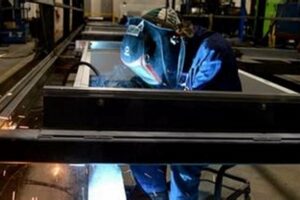
Welding is a crucial fabrication technique used to join aluminum components together. Different welding methods, such as TIG welding and MIG welding, are employed depending on the thickness and type of aluminum being used. Welding allows for strong and permanent joints, ensuring the structural integrity of the fabricated product.
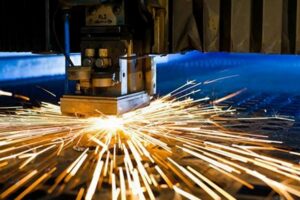
Cutting techniques are also essential in aluminum fabrication design. Precision cutting methods, such as laser cutting and waterjet cutting, are used to create intricate shapes and designs. These techniques provide clean and accurate cuts, minimizing material waste and ensuring dimensional accuracy.
Forming techniques, such as bending, rolling, and stamping, are used to shape aluminum sheets and plates into desired forms. These techniques allow for the creation of complex geometries and curved surfaces, expanding the design possibilities for aluminum structures.
The selection of appropriate fabrication techniques depends on factors such as the type of aluminum alloy, the thickness of the material, and the desired shape and function of the final product. By carefully considering these factors, engineers and designers can choose the optimal fabrication techniques to achieve the desired results.
| Fabrication Technique | Description | Applications |
|---|---|---|
| TIG Welding | Produces high-quality welds with minimal distortion | Aerospace, automotive, medical devices |
| MIG Welding | Fast and efficient welding process | Automotive, shipbuilding, construction |
| Laser Cutting | Precise and intricate cutting | Electronics, medical devices, automotive |
| Waterjet Cutting | Versatile cutting method for various materials | Aerospace, automotive, construction |
| Bending | Forms aluminum sheets and plates into curved shapes | Automotive, architectural cladding, furniture |
| Rolling | Creates cylindrical or conical shapes | Aerospace, transportation, food processing |
| Stamping | Produces high-volume, precision parts | Automotive, electronics, appliances |
Understanding the connection between fabrication techniques and aluminum fabrication design is crucial for engineers and designers to create structures that are both functional and aesthetically pleasing. By selecting the appropriate techniques and combining them effectively, they can transform aluminum into strong, lightweight, and durable products that meet the demands of various applications.
Quality Control

Quality control is an essential component of aluminum fabrication design, as it ensures that the fabricated components meet the required specifications and perform as intended. Without proper quality control, there is a risk that the fabricated components may not meet the required standards, which could lead to structural failure or other problems.
There are a number of different quality control measures that can be implemented during the aluminum fabrication process. These measures include:
- Visual inspection: This involves visually inspecting the fabricated components for any defects, such as cracks, dents, or scratches.
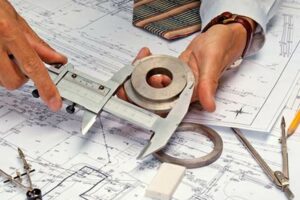
- Dimensional inspection: This involves measuring the fabricated components to ensure that they meet the required dimensions.
- Mechanical testing: This involves testing the fabricated components to ensure that they meet the required mechanical properties, such as strength and hardness.
- Non-destructive testing: This involves using non-destructive testing methods, such as ultrasonic testing or radiography, to inspect the fabricated components for any internal defects.
By implementing these quality control measures, manufacturers can ensure that the fabricated aluminum components meet the required specifications and perform as intended. This is essential for the safety and reliability of aluminum structures.
Real-life examples
There are a number of real-life examples of the importance of quality control in aluminum fabrication design. For example, in 2007, the Minneapolis I-35W bridge collapsed due to a design flaw that was not detected during the quality control process. This collapse resulted in the deaths of 13 people and injuries to 145 others.
Another example of the importance of quality control in aluminum fabrication design is the Space Shuttle Challenger disaster. In 1986, the Space Shuttle Challenger exploded shortly after liftoff due to a failure of the O-rings in the solid rocket boosters. This failure was due to a design flaw that was not detected during the quality control process. The Challenger disaster resulted in the deaths of all seven crew members.
These are just two examples of the importance of quality control in aluminum fabrication design. By implementing proper quality control measures, manufacturers can ensure that aluminum structures are safe and reliable.
Practical significance
Understanding the connection between quality control and aluminum fabrication design is essential for engineers and designers. By understanding the importance of quality control, engineers and designers can take steps to ensure that the fabricated components meet the required specifications and perform as intended. This is essential for the safety and reliability of aluminum structures.
| Quality Control Measure | Description | Importance |
|---|---|---|
| Visual inspection | Detects surface defects | Ensures aesthetic quality and structural integrity |
| Dimensional inspection | Verifies dimensions | Ensures proper fit and assembly |
| Mechanical testing | Evaluates strength and hardness | Ensures structural integrity and performance |
| Non-destructive testing | Detects internal defects | Ensures safety and reliability |
Surface Treatment

Surface treatment is an integral component of aluminum fabrication design, as it plays a critical role in enhancing the durability and performance of aluminum structures. By applying protective coatings or finishes to the surface of aluminum, it is possible to improve its resistance to corrosion, wear, and other environmental factors.
One of the most common surface treatments for aluminum is anodizing. Anodizing is an electrochemical process that creates a protective oxide layer on the surface of aluminum. This oxide layer is highly resistant to corrosion and wear, and it can also be dyed to create a variety of colors. Anodized aluminum is often used in applications where corrosion resistance is important, such as in marine environments or in the construction of exterior building components.
Another common surface treatment for aluminum is painting. Painting provides a protective barrier between the aluminum surface and the environment, and it can also be used to improve the appearance of the aluminum. Painted aluminum is often used in applications where aesthetics are important, such as in the automotive and consumer electronics industries.
In addition to anodizing and painting, there are a number of other surface treatments that can be used to enhance the durability of aluminum. These include chemical conversion coatings, which create a thin layer of corrosion-resistant material on the surface of aluminum, and thermal spray coatings, which involve spraying a molten metal or ceramic material onto the surface of aluminum.
The choice of surface treatment for aluminum depends on a number of factors, including the intended application, the desired level of protection, and the cost. By carefully considering these factors, engineers and designers can select the optimal surface treatment to meet the specific requirements of their project.
Real-life examples
There are a number of real-life examples of the importance of surface treatment in aluminum fabrication design. For example, the Golden Gate Bridge in San Francisco is made of aluminum that has been anodized to protect it from the corrosive effects of the salt air. The anodized aluminum cladding of the bridge has helped to preserve its structural integrity for over 80 years.
Another example of the importance of surface treatment in aluminum fabrication design is the use of painted aluminum in the automotive industry. Painted aluminum is used for a variety of automotive components, including body panels, wheels, and trim. The paint provides a protective barrier between the aluminum surface and the environment, and it also helps to improve the appearance of the vehicle.
Practical significance
Understanding the connection between surface treatment and aluminum fabrication design is essential for engineers and designers. By understanding the different types of surface treatments available and their respective benefits, engineers and designers can select the optimal surface treatment to meet the specific requirements of their project. This can help to ensure that aluminum structures are durable, long-lasting, and aesthetically pleasing.
Table of Surface Treatments for Aluminum
| Surface Treatment | Description | Benefits |
|---|---|---|
| Anodizing | Electrochemical process that creates a protective oxide layer | Corrosion resistance, wear resistance, color customization |
| Painting | Applying a protective coating of paint | Corrosion resistance, appearance enhancement |
| Chemical conversion coating | Creates a thin layer of corrosion-resistant material | Corrosion resistance, improved adhesion |
| Thermal spray coating | Spraying a molten metal or ceramic material | Corrosion resistance, wear resistance, thermal protection |
Assembly and Installation

Assembly and installation are critical aspects of aluminum fabrication design, as they involve joining the fabricated components to create the final structure. This process requires careful planning and execution to ensure that the structure is strong, safe, and durable.
-
Precision and Accuracy:
Precise assembly and installation are essential to ensure the structural integrity of the final product. Any misalignment or improper fit can compromise the strength and stability of the structure. -
Welding and Joining Techniques:
Various welding and joining techniques are used to assemble aluminum components. The choice of technique depends on the thickness and type of aluminum being used, as well as the desired strength and aesthetics of the joint. -
Quality Control:
Rigorous quality control measures are necessary during assembly and installation to ensure that the fabricated components meet the required specifications and are properly joined together. This includes visual inspection, dimensional verification, and mechanical testing. -
Safety Considerations:
Safety is paramount during assembly and installation. Proper safety protocols must be followed to protect workers from hazards such as falling objects, sharp edges, and electrical hazards.
By understanding the importance of assembly and installation in aluminum fabrication design, engineers and designers can ensure that the fabricated components are properly joined together to create a strong, safe, and durable structure.
Strength Analysis

Strength analysis is a crucial component of aluminum fabrication design, as it involves calculating the load-bearing capacity of the structure and ensuring its structural integrity. This analysis is essential to prevent structural failure and ensure the safety and reliability of the fabricated product.
During strength analysis, engineers and designers consider various factors that can affect the load-bearing capacity of the structure, such as the type of aluminum alloy used, the geometry of the structure, and the loading conditions. They use analytical methods, such as finite element analysis (FEA), to calculate the stresses and strains within the structure under different loading scenarios.
By understanding the strength analysis process, engineers and designers can optimize the design of the aluminum structure, ensuring that it can withstand the anticipated loads without compromising its integrity. This is particularly important for structures used in critical applications, such as aerospace, transportation, and construction.
Real-life examples
There are numerous real-life examples that demonstrate the importance of strength analysis in aluminum fabrication design. For instance, in the aerospace industry, strength analysis is used to ensure the structural integrity of aircraft components, such as wings, fuselages, and landing gear. By accurately calculating the load-bearing capacity of these components, engineers can design aircraft that are both lightweight and strong, meeting the stringent safety requirements.
In the construction industry, strength analysis is used to design aluminum structures, such as bridges, buildings, and towers. By understanding the load-bearing capacity of these structures, engineers can ensure their stability and safety under various loading conditions, such as wind, snow, and seismic forces.
Practical significance
Understanding the connection between strength analysis and aluminum fabrication design is essential for engineers and designers. By incorporating strength analysis into the design process, they can create aluminum structures that are both strong and lightweight, meeting the specific requirements of the intended application. This contributes to the safety, reliability, and efficiency of aluminum structures across a wide range of industries.
Table: Key Insights on Strength Analysis in Aluminum Fabrication Design
| Aspect | Importance |
|---|---|
| Load-bearing capacity calculation | Ensures structural integrity and prevents failure |
| Optimization of design | Balances strength and weight for efficiency |
| Safety and reliability | Critical for structures in critical applications |
| Real-life examples | Proven importance in industries like aerospace and construction |
| Practical significance | Empowers engineers to create robust aluminum structures |
Corrosion Resistance

In the realm of aluminum fabrication design, corrosion resistance plays a pivotal role in ensuring the longevity and integrity of aluminum structures in diverse environmental conditions. Understanding the nuances of corrosion resistance is essential for engineers and designers seeking to create durable and reliable aluminum structures.
-
Protective Oxide Layer:
Aluminum naturally forms a protective oxide layer on its surface, which serves as a barrier against corrosion. This layer can be further enhanced through surface treatments like anodizing, increasing the structure’s resistance to harsh chemicals, moisture, and UV radiation.
-
Alloy Selection:
The choice of aluminum alloy significantly influences corrosion resistance. Alloys with higher magnesium and manganese content, such as 5000 and 6000 series, exhibit superior corrosion resistance compared to pure aluminum.
-
Environmental Factors:
Exposure to corrosive environments, such as marine or industrial settings, demands careful consideration of additional protective measures. Design features like drainage systems and proper ventilation can minimize moisture accumulation and reduce the risk of corrosion.
-
Protective Coatings:
In extreme environments, protective coatings like paint or powder coating can provide an additional layer of defense against corrosion. These coatings act as a barrier, preventing direct contact between the aluminum surface and corrosive agents.
By incorporating corrosion resistance principles into aluminum fabrication design, engineers and designers can create structures that withstand the test of time and the challenges of demanding environments. These structures maintain their structural integrity, aesthetic appeal, and functionality, ensuring safety, reliability, and long-term value.
Weight Optimization

In the realm of aluminum fabrication design, weight optimization is a crucial aspect that allows engineers and designers to create structures that are both lightweight and structurally sound. Achieving this delicate balance is essential for a wide range of applications, from aerospace and automotive to construction and consumer products.
-
Material Selection:
The choice of aluminum alloy plays a significant role in weight optimization. Alloys with higher strength-to-weight ratios, such as 2000 and 7000 series, enable the creation of lightweight structures without compromising strength.
-
Structural Design:
Optimizing the structural design involves using efficient shapes and minimizing material usage. Techniques like topology optimization and generative design can help engineers create structures that are both lightweight and meet the required performance criteria.
-
Fabrication Techniques:
Employing specialized fabrication techniques, such as hydroforming and roll forming, allows for the creation of complex shapes with minimal material waste. These techniques help reduce weight while maintaining structural integrity.
-
Surface Treatments:
Applying surface treatments like anodizing or painting can enhance the strength-to-weight ratio of aluminum structures. These treatments create protective layers that resist corrosion and wear, reducing the need for additional material for reinforcement.
By understanding the connection between weight optimization and aluminum fabrication design, engineers and designers can create structures that are not only lightweight but also durable, efficient, and cost-effective. This optimization process is crucial for industries where weight reduction is critical, such as aerospace, transportation, and manufacturing.
Cost-Effectiveness

In the realm of aluminum fabrication design, cost-effectiveness plays a critical role in ensuring that the fabricated product meets both functional and financial requirements. Striking the right balance between design and fabrication costs is essential for achieving optimal value, without compromising the quality and performance of the final product.
Several factors contribute to the cost-effectiveness of aluminum fabrication design:
- Material Selection: The choice of aluminum alloy can significantly impact material costs. Alloys with higher strength and durability may come at a premium, while less expensive alloys may be suitable for less demanding applications.
- Design Optimization: Careful design can minimize material usage and reduce fabrication complexity, leading to cost savings. Techniques like design for manufacturing (DFM) and value engineering can help optimize designs for cost-effectiveness.
- Fabrication Processes: The choice of fabrication processes, such as welding, machining, and forming, can affect production costs. Selecting the most appropriate processes for the specific design can help control fabrication expenses.
- Surface Treatments: Additional surface treatments, such as anodizing or painting, can enhance the durability and aesthetics of the fabricated product. However, these treatments may add to the overall cost.
Understanding the connection between cost-effectiveness and aluminum fabrication design is crucial for engineers and designers. By carefully considering the factors discussed above, they can make informed decisions that balance cost and value, ensuring that the fabricated product meets the desired performance and budget requirements.
| Factor | Impact on Cost-Effectiveness |
|---|---|
| Material Selection | Higher strength alloys typically cost more, but may reduce fabrication costs due to reduced material usage. |
| Design Optimization | Optimized designs can minimize material usage and fabrication complexity, leading to cost savings. |
| Fabrication Processes | Selecting the most appropriate fabrication processes can help control production costs. |
| Surface Treatments | Surface treatments can enhance durability and aesthetics, but may add to the overall cost. |
By understanding these factors and their impact on cost-effectiveness, engineers and designers can make informed decisions that balance cost and value, resulting in aluminum fabrication designs that meet both functional and financial requirements.
Sustainability
Sustainability is a critical aspect of aluminum fabrication design, as it involves the use of environmentally friendly materials and processes to minimize the environmental impact of aluminum structures throughout their lifecycle. By understanding the connection between sustainability and aluminum fabrication design, engineers and designers can create structures that are not only durable and cost-effective but also environmentally responsible.
-
Recyclability:
Aluminum is one of the most recyclable materials, with a high recycling rate. This means that aluminum structures can be easily recycled at the end of their lifespan, reducing waste and conserving natural resources. Recycled aluminum can be used to create new aluminum products, further enhancing the sustainability of the aluminum fabrication industry.
-
Energy Efficiency:
Aluminum fabrication processes can be energy-intensive. However, by using energy-efficient technologies and optimizing production processes, engineers and designers can reduce the energy consumption associated with aluminum fabrication. This can help to minimize the environmental impact of aluminum structures and contribute to a more sustainable future.
-
Reduced Material Waste:
Careful design and fabrication techniques can minimize material waste during the aluminum fabrication process. By using advanced design software and optimizing cutting and forming processes, engineers and designers can reduce the amount of scrap aluminum generated, conserving resources and reducing the environmental impact of aluminum fabrication.
-
Low Carbon Footprint:
The use of renewable energy sources and sustainable materials in aluminum fabrication can significantly reduce the carbon footprint of aluminum structures. By choosing low-carbon materials and powering fabrication processes with renewable energy, engineers and designers can create aluminum structures with a minimal environmental impact.
By incorporating sustainability principles into aluminum fabrication design, engineers and designers can create structures that are not only functional and durable but also environmentally responsible. This contributes to a more sustainable built environment and helps to preserve natural resources for future generations.
Innovation
In the realm of aluminum fabrication design, innovation plays a pivotal role in driving progress and enhancing fabrication efficiency. By embracing new technologies and techniques, engineers and designers can create more efficient, cost-effective, and sustainable aluminum structures.
-
Advanced Design Software:
Computer-aided design (CAD) and finite element analysis (FEA) software have revolutionized the design process, enabling engineers to optimize structural designs, reduce material waste, and predict the performance of aluminum structures with greater accuracy.
-
Automated Fabrication Techniques:
Robotic welding, laser cutting, and waterjet cutting are examples of automated fabrication techniques that improve precision, consistency, and speed during the fabrication process. These techniques reduce human error, minimize production time, and enhance the overall quality of aluminum structures.
-
Additive Manufacturing:
3D printing, also known as additive manufacturing, allows for the creation of complex aluminum structures with intricate geometries that would be difficult or impossible to fabricate using traditional methods. This technology opens up new possibilities for innovation and customization in aluminum fabrication design.
-
Sustainable Materials and Processes:
Innovation in aluminum fabrication also involves the development of sustainable materials and processes. By exploring new alloys and surface treatments, engineers and designers can create aluminum structures that are more resistant to corrosion, have a longer lifespan, and are more environmentally friendly.
These facets of innovation in aluminum fabrication design contribute to increased efficiency, reduced costs, improved quality, and enhanced sustainability. By embracing these innovations, engineers and designers can push the boundaries of aluminum fabrication and create structures that meet the demands of the modern world.
FAQs on Aluminum Fabrication Design
This section addresses frequently asked questions (FAQs) about aluminum fabrication design to provide clarity and a comprehensive understanding of the subject.
Question 1: What is the significance of material selection in aluminum fabrication design?
Material selection is crucial in aluminum fabrication design as it directly impacts the properties and performance of the final product. Different aluminum alloys possess unique characteristics, such as strength, corrosion resistance, weldability, and formability, making them suitable for specific applications. Understanding the properties of different aluminum alloys and selecting the right one for the intended application is essential to ensure optimal performance and longevity of the fabricated structure.
Question 2: How does design engineering contribute to aluminum fabrication design?
Design engineering involves creating detailed designs that optimize strength and weight. This is particularly important for aluminum structures, as they are often used in applications where weight reduction is critical, such as aerospace, transportation, and architecture. Design engineers use tools and techniques like finite element analysis (FEA), topology optimization, and generative design to create aluminum structures that meet the required strength and weight requirements.
Question 3: What are the key fabrication techniques used in aluminum fabrication design?
Fabrication techniques are essential in aluminum fabrication design, as they determine the physical form and integrity of the final product. These techniques involve manipulating aluminum sheets, plates, and extrusions into the desired shape and structure. Common fabrication techniques include welding, cutting, and forming. Welding allows for strong and permanent joints, cutting techniques provide precise and intricate cuts, and forming techniques create complex geometries and curved surfaces.
Question 4: Why is quality control important in aluminum fabrication design?
Quality control is essential in aluminum fabrication design to ensure that the fabricated components meet the required specifications and perform as intended. Without proper quality control, there is a risk that the fabricated components may not meet the required standards, which could lead to structural failure or other problems. Quality control measures include visual inspection, dimensional inspection, mechanical testing, and non-destructive testing.
Question 5: How does surface treatment enhance the durability of aluminum structures?
Surface treatment is an integral component of aluminum fabrication design, as it plays a critical role in enhancing the durability and performance of aluminum structures. By applying protective coatings or finishes to the surface of aluminum, it is possible to improve its resistance to corrosion, wear, and other environmental factors. Common surface treatments include anodizing, painting, chemical conversion coatings, and thermal spray coatings.
Question 6: What are the benefits of using aluminum in fabrication design?
Aluminum is a versatile material that offers numerous benefits in fabrication design, including its high strength-to-weight ratio, excellent corrosion resistance, good electrical and thermal conductivity, and ease of fabrication. Aluminum structures are lightweight, durable, and resistant to rust and corrosion, making them suitable for a wide range of applications, such as aerospace, automotive, construction, and consumer electronics.
These FAQs provide a comprehensive overview of the key aspects of aluminum fabrication design, highlighting its importance, processes, and benefits. By understanding these concepts, engineers, designers, and professionals can effectively utilize aluminum fabrication design to create strong, lightweight, and durable structures that meet the demands of various applications.
Transition to the next article section:
This concludes the frequently asked questions on aluminum fabrication design. For further in-depth information, explore the comprehensive articles and resources available on our website.
Aluminum Fabrication Design
Aluminum fabrication design is a critical process that requires careful planning and execution to achieve optimal results. Here are some valuable tips to guide you through the design process:
Tip 1: Material Selection
Carefully consider the choice of aluminum alloy based on the specific application requirements. Different alloys offer varying properties such as strength, corrosion resistance, and weldability. Selecting the appropriate alloy ensures the structure meets the desired performance and durability criteria.
Tip 2: Design Optimization
Employ design techniques like finite element analysis (FEA) and topology optimization to optimize the structural design. These techniques help identify areas of stress concentration and distribute loads efficiently, resulting in lightweight and robust structures.
Tip 3: Fabrication Techniques
Choose the appropriate fabrication techniques based on the complexity and requirements of the design. Techniques such as welding, cutting, and forming should be carefully executed to ensure precise dimensions, strong joints, and a high-quality finish.
Tip 4: Quality Control
Implement rigorous quality control measures throughout the fabrication process. This includes regular inspections, dimensional verification, and mechanical testing to ensure that the fabricated components meet the specified tolerances and performance standards.
Tip 5: Surface Treatment
Apply appropriate surface treatments such as anodizing or painting to enhance the durability and aesthetics of the aluminum structure. These treatments protect against corrosion, wear, and environmental factors, extending the lifespan and maintaining the appearance of the structure.
Tip 6: Sustainability
Incorporate sustainable practices into the design and fabrication process. Consider using recycled aluminum, employing energy-efficient techniques, and minimizing waste to reduce the environmental impact of the aluminum fabrication.
Tip 7: Innovation
Stay abreast of advancements in aluminum fabrication technologies and techniques. Explore new alloys, explore additive manufacturing, and embrace innovative design approaches to push the boundaries of what is possible with aluminum fabrication.
By following these tips, you can enhance the quality, performance, and durability of your aluminum fabrication designs while optimizing costs and minimizing environmental impact.
Aluminum Fabrication Design
Aluminum fabrication design has emerged as a cornerstone of modern engineering, enabling the creation of lightweight, durable, and versatile structures across diverse industries. This article has explored the intricate world of aluminum fabrication design, shedding light on its key aspects, processes, and benefits.
From material selection and design optimization to fabrication techniques and surface treatments, each step in the aluminum fabrication design process plays a critical role in ensuring the structural integrity, performance, and longevity of the final product. By understanding the principles and best practices outlined in this article, engineers and designers can harness the full potential of aluminum fabrication design, pushing the boundaries of what is possible in the realm of structural engineering.