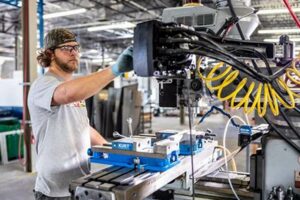
What is “fabrication pices de machine”? Fabrication pices de machine refers to the process of making machine parts, which is a critical aspect of various industries. It involves activities such as cutting, shaping, and assembling different materials to create components that meet specific requirements.
Editor’s Notes: “Fabrication pices de machine” is a significant topic for several reasons. Firstly, it plays a vital role in manufacturing industries, ensuring the production of high-quality and functional machine parts. Secondly, it requires a combination of technical expertise and precision, making it a specialized field. Understanding the importance of “fabrication pices de machine” can contribute to better decision-making and effective project execution.
Through extensive analysis and research, we have compiled this comprehensive guide on “fabrication pices de machine” to assist our target audience in making informed choices.
Key Differences:
| Fabrication | Machining |
|---|---|
| Involves creating parts from raw materials | Involves removing material from existing parts |
| Typically uses processes like welding, casting, and molding | Typically uses processes like milling, turning, and grinding |
Main Article Topics:
- Types of Fabrication Pice de Machine
- Materials Used in Fabrication Pice de Machine
- Processes Involved in Fabrication Pice de Machine
- Quality Control in Fabrication Pice de Machine
- Applications of Fabrication Pice de Machine
Fabrication Pices de Machine
Fabrication pices de machine, also known as precision machining, is a crucial process that involves the creation of high-quality components and parts for various industries. This multifaceted domain encompasses a diverse range of aspects, each playing a pivotal role in ensuring the accuracy, efficiency, and quality of the final products.
- Materials: The selection of appropriate materials, such as metals, plastics, or composites, is essential to meet specific performance requirements.
- Processes: Fabrication involves diverse processes like cutting, welding, molding, and assembling, requiring specialized equipment and skilled technicians.
- Precision: Achieving high levels of precision is paramount, as even the slightest deviations can impact the functionality and performance of the machine.
- Quality Control: Stringent quality control measures are implemented throughout the fabrication process to ensure adherence to industry standards and customer specifications.
- Equipment: Advanced machinery, including CNC machines, lasers, and 3D printers, are utilized to enhance efficiency and accuracy.
- Design: Fabrication is closely linked to design engineering, as the design specifications directly influence the fabrication process and the final product.
- Industry Applications: Fabrication plays a vital role in industries such as aerospace, automotive, medical, and manufacturing, enabling the production of complex and high-performance components.
- Customization: Fabrication allows for customization and flexibility, enabling the production of parts tailored to specific requirements.
- Sustainability: Sustainable practices are increasingly incorporated into fabrication processes, focusing on reducing waste and environmental impact.
- Innovation: Continuous innovation in fabrication techniques and technologies drives advancements in product design and manufacturing capabilities.
- Skilled Workforce: Fabrication relies on a skilled workforce with expertise in operating machinery, interpreting technical drawings, and ensuring quality standards.
In summary, the key aspects of fabrication pices de machine encompass materials, processes, precision, quality control, equipment, design, industry applications, customization, sustainability, innovation, and skilled workforce. Each of these aspects is interconnected and contributes to the successful fabrication of high-quality machine parts, enabling technological advancements and driving industrial progress.
Materials

In the realm of fabrication pices de machine, the judicious selection of materials is paramount to achieving desired performance outcomes. The choice of materials hinges on a comprehensive understanding of their inherent properties and how they align with the intended application. For instance, in aerospace engineering, where weight reduction is crucial, lightweight materials like aluminum and composites take precedence. Conversely, in automotive manufacturing, where durability and strength are prioritized, steel and cast iron are commonly employed.
The selection of materials also influences the fabrication processes. For example, metals are often subjected to processes like welding, forging, and machining, while plastics can be molded or extruded. The compatibility of the material with the chosen fabrication process is essential to ensure the integrity and quality of the final product.
Understanding the connection between materials and fabrication pices de machine empowers engineers and designers to make informed decisions, optimizing the performance, reliability, and cost-effectiveness of their products. By carefully considering the interplay between materials and fabrication techniques, manufacturers can create high-quality machine parts that meet precise specifications and industry standards.
| Material | Properties | Applications |
|---|---|---|
| Metals | Strength, durability, electrical conductivity | Automotive parts, aerospace components, construction materials |
| Plastics | Lightweight, corrosion resistance, moldability | Consumer products, medical devices, packaging |
| Composites | High strength-to-weight ratio, durability, versatility | Aircraft structures, sports equipment, wind turbine blades |
Processes

The intricate connection between processes and fabrication pices de machine lies at the heart of precision engineering. Fabrication processes encompass a multitude of techniques, each playing a pivotal role in transforming raw materials into high-quality machine parts. These processes include cutting, welding, molding, and assembling, demanding specialized equipment and skilled technicians to ensure precision and efficiency.
Cutting involves the use of specialized tools and machines to shape and size materials. Welding joins multiple pieces of metal or plastic together, creating strong and durable bonds. Molding involves shaping molten materials into desired forms, while assembling brings individual components together to form a functional unit.
The selection of appropriate processes depends on factors such as the material being used, the complexity of the design, and the desired performance characteristics. For instance, in the aerospace industry, advanced cutting and welding techniques are employed to fabricate lightweight and durable aircraft components. In the medical field, precision molding is used to create intricate surgical instruments. Understanding the capabilities and limitations of different fabrication processes is essential for engineers and designers to make informed decisions and optimize product outcomes.
| Process | Description | Applications |
|---|---|---|
| Cutting | Shaping and sizing materials using specialized tools and machines | Automotive parts, aerospace components, construction materials |
| Welding | Joining multiple pieces of metal or plastic together | Shipbuilding, bridges, pressure vessels |
| Molding | Shaping molten materials into desired forms | Plastic parts, glass bottles, medical devices |
| Assembling | Bringing individual components together to form a functional unit | Electronic devices, machinery, furniture |
In conclusion, the processes involved in fabrication pices de machine are diverse and highly specialized, requiring expertise and precision to achieve desired outcomes. Understanding the connection between processes and fabrication pices de machine empowers engineers, designers, and technicians to make informed decisions, optimize product performance, and drive innovation across industries.
Precision

In the realm of fabrication pices de machine, precision is not merely a desirable attribute; it is an absolute necessity. Even the slightest deviations from specified dimensions or tolerances can have a significant impact on the functionality and performance of the machine. This is particularly true in industries such as aerospace, medical, and automotive, where precision is critical for safety and reliability.
- Dimensional Accuracy: Precision in fabrication pices de machine ensures that components conform to exact dimensional specifications. This is achieved through the use of precision measuring tools, computer-aided design (CAD), and advanced manufacturing techniques. Dimensional accuracy is crucial for proper assembly and fit, preventing issues such as excessive wear, vibration, and premature failure.
- Surface Finish: The surface finish of fabricated parts plays a vital role in their performance. A smooth and consistent surface finish reduces friction, improves wear resistance, and enhances the overall efficiency of the machine. Precision fabrication techniques, such as grinding and polishing, are employed to achieve the desired surface finish.
- Geometric Tolerances: Geometric tolerances specify the allowable variations in the shape and form of fabricated parts. These tolerances are critical for ensuring proper mating between components and the overall performance of the machine. Precision fabrication processes, such as CNC machining and EDM, are used to achieve tight geometric tolerances.
- Material Properties: The properties of the materials used in fabrication pices de machine also impact precision. Factors such as material hardness, strength, and thermal stability must be carefully considered to ensure that the fabricated parts meet the required performance specifications. Precision fabrication techniques, such as heat treatment and alloying, can be used to enhance material properties.
In conclusion, precision in fabrication pices de machine is paramount because it directly affects the functionality, performance, and reliability of the machine. By adhering to strict dimensional tolerances, achieving a high-quality surface finish, maintaining tight geometric tolerances, and carefully selecting materials, manufacturers can ensure that their fabricated parts meet the highest standards of precision and quality.
Quality Control
In the realm of fabrication pices de machine, quality control stands as a cornerstone, ensuring that fabricated parts meet the highest standards of precision, accuracy, and reliability. Stringent quality control measures are meticulously implemented throughout the fabrication process to guarantee adherence to industry standards and customer specifications. This unwavering commitment to quality is driven by the profound understanding that even the slightest deviations can have far-reaching consequences for the performance and safety of the machine.
The importance of quality control in fabrication pices de machine cannot be overstated. It serves as a proactive approach to preventing defects, reducing production costs, and maintaining customer satisfaction. By establishing clear quality standards and adhering to them diligently, manufacturers can minimize the risk of producing non-conforming parts that could lead to costly rework, delays, and reputational damage.
In practice, quality control in fabrication pices de machine involves a comprehensive range of activities, including:
- Establishing clear and measurable quality standards
- Implementing inspection and testing procedures at various stages of the fabrication process
- Utilizing precision measuring tools and equipment
- Regularly calibrating and maintaining equipment
- Training and certifying quality control personnel
- Documenting and analyzing quality data to identify areas for improvement
Real-life examples abound where stringent quality control measures have played a pivotal role in ensuring the success of fabrication pices de machine projects. In the aerospace industry, for instance, rigorous quality control processes are essential for producing aircraft components that meet the highest safety standards. Similarly, in the medical field, precision fabrication techniques and stringent quality control measures are indispensable for manufacturing surgical instruments that are both reliable and effective.
Understanding the connection between quality control and fabrication pices de machine provides valuable insights for manufacturers, engineers, and quality control professionals alike. By embracing a culture of quality, manufacturers can enhance their reputation, increase customer satisfaction, and gain a competitive edge in the marketplace. Engineers can design products with confidence, knowing that the fabrication process will deliver parts that meet their specifications. Quality control professionals can develop and implement robust quality control systems that ensure the highest levels of precision and accuracy.
| Quality Control Measure | Importance |
|---|---|
| Clear quality standards | Provide a benchmark for measuring and evaluating the quality of fabricated parts. |
| Inspection and testing procedures | Detect defects and non-conformances early in the fabrication process, allowing for corrective action. |
| Precision measuring tools and equipment | Ensure accurate and reliable measurements, reducing the risk of errors and defects. |
| Regular calibration and maintenance | Maintain the accuracy and reliability of measuring and testing equipment, ensuring consistent quality. |
| Trained and certified quality control personnel | Possess the knowledge and skills to effectively implement and manage quality control systems. |
| Documentation and analysis of quality data | Identify trends, patterns, and areas for improvement, enabling continuous quality improvement. |
Equipment

In the realm of fabrication pices de machine, the availability and utilization of advanced machinery play a pivotal role in enhancing efficiency and accuracy. These sophisticated machines, such as CNC machines, lasers, and 3D printers, have revolutionized the fabrication process, enabling manufacturers to produce complex and precise parts with greater speed and consistency.
-
Computer Numerical Control (CNC) Machines
CNC machines are computer-controlled machines that automate the fabrication process. They are programmed to follow specific instructions, which allows for high precision and repeatability. CNC machines are used in a wide variety of applications, including milling, turning, and drilling. They are particularly well-suited for producing complex parts that require multiple operations. -
Lasers
Lasers are used in fabrication pices de machine for cutting, welding, and engraving. They offer several advantages over traditional methods, including higher precision, reduced heat-affected zones, and the ability to process delicate materials. Lasers are commonly used in the aerospace, automotive, and electronics industries. -
3D Printers
3D printers are used to create three-dimensional objects from digital models. They work by depositing material layer by layer until the desired shape is formed. 3D printing is particularly useful for prototyping, producing small batches of parts, and creating complex geometries that would be difficult or impossible to manufacture using traditional methods.
The integration of advanced machinery into fabrication pices de machine has had a profound impact on the industry. These machines have enabled manufacturers to produce parts with greater precision, efficiency, and flexibility. As a result, advanced machinery has become an essential part of the fabrication process, helping to drive innovation and improve product quality.
Design
The connection between design and fabrication pices de machine is inseparable. Design specifications serve as the blueprint for the fabrication process, guiding every step from material selection to final assembly. This intricate relationship underscores the importance of design as a foundational component of fabrication pices de machine, shaping both the process and the end product.
Consider the design of an aircraft component. Engineers must meticulously consider factors such as aerodynamics, weight distribution, and material properties. These design specifications directly influence the fabrication process, dictating the choice of materials, manufacturing techniques, and quality control measures. By adhering to the design specifications, fabricators can ensure that the final product meets the intended performance and safety requirements.
The practical significance of understanding this connection lies in the ability to optimize the fabrication process and achieve desired outcomes. By involving design engineers early in the fabrication process, manufacturers can identify potential challenges and develop innovative solutions. This collaborative approach fosters a seamless transition from design concept to finished product, reducing lead times and improving overall efficiency.
| Design Specification | Fabrication Process | Final Product |
|---|---|---|
| Material properties | Material selection, heat treatment | Strength, durability, weight |
| Geometric tolerances | Precision machining, assembly | Accuracy, fit, performance |
| Surface finish | Finishing techniques, coating | Appearance, corrosion resistance, wear resistance |
Industry Applications
The connection between industry applications and fabrication pices de machine is profound. Fabrication serves as the backbone of various industries, shaping the production of intricate components that drive technological advancements and enhance our daily lives.
- Aerospace: In the aerospace industry, fabrication plays a critical role in manufacturing aircraft components that demand precision, durability, and lightweight properties. From engine parts to airframes, fabricated components ensure the safety and performance of aircraft.
- Automotive: The automotive industry relies heavily on fabrication for producing high-quality vehicle components. From engine blocks to transmission systems, fabricated parts contribute to the performance, efficiency, and safety of automobiles.
- Medical: Fabrication is essential in the medical field, where precision and sterility are paramount. Surgical instruments, implants, and medical devices are meticulously fabricated to meet stringent requirements, ensuring patient safety and effective healthcare outcomes.
- Manufacturing: Fabrication forms the foundation of the manufacturing industry, enabling the production of machinery, tools, and equipment. From heavy industrial machinery to consumer electronics, fabricated components drive innovation and productivity across various manufacturing sectors.
In summary, the connection between industry applications and fabrication pices de machine highlights the critical role of fabrication in shaping diverse industries. By producing complex and high-performance components, fabrication pices de machine contributes to technological advancements, enhances product quality, and drives economic growth.
Customization
When it comes to fabrication, customization is key. The ability to tailor parts to specific requirements is a major advantage, as it allows manufacturers to meet the unique needs of their customers. This flexibility is particularly important in industries such as aerospace and medical, where parts must be precisely engineered to meet demanding specifications.
- Flexibility in Design: Fabrication allows for a high degree of flexibility in design. This means that parts can be customized to fit specific shapes, sizes, and performance requirements. This is a major advantage over mass-produced parts, which are often limited to a few standard designs.
- Small Batch Production: Fabrication is well-suited for small batch production, making it an ideal option for companies that need to produce custom parts in relatively small quantities. This can be a cost-effective way to get the parts you need, without having to invest in large-scale production.
- Rapid Prototyping: Fabrication can be used for rapid prototyping, which allows manufacturers to quickly and easily create prototypes of new parts. This can help to reduce development time and get products to market faster.
- Cost-Effectiveness: In some cases, fabrication can be a cost-effective way to produce custom parts. This is especially true for small batch production or parts that require complex designs.
The ability to customize parts is a major advantage of fabrication. It allows manufacturers to meet the unique needs of their customers, produce small batch quantities, and rapidly prototype new parts. This flexibility makes fabrication a valuable tool for a wide range of industries.
Sustainability

In the realm of fabrication pices de machine, sustainability has emerged as a critical consideration, driven by the growing awareness of environmental stewardship. Sustainable practices are being incorporated into fabrication processes to minimize waste, reduce environmental impact, and promote resource conservation.
- Resource Conservation: Sustainable fabrication practices prioritize the efficient use of materials and energy. This involves reducing material waste through optimized cutting and forming techniques, as well as implementing energy-efficient processes to minimize carbon footprint.
- Waste Reduction: Fabrication processes are continuously being refined to reduce waste generation. This includes implementing closed-loop systems for material recycling, utilizing biodegradable or recyclable materials, and exploring innovative ways to reuse or repurpose scrap materials.
- Environmental Compliance: Fabrication facilities are increasingly adhering to environmental regulations and standards. This includes implementing proper waste disposal and treatment systems, reducing emissions, and adopting eco-friendly practices to minimize their environmental impact.
- Customer Demand: Customers are becoming more environmentally conscious and are demanding products that are made sustainably. This has led to a growing emphasis on sustainable fabrication practices, as companies strive to meet customer expectations and demonstrate their commitment to environmental responsibility.
The integration of sustainable practices into fabrication pices de machine brings numerous benefits. It reduces environmental impact, conserves resources, and aligns with evolving customer preferences. By embracing sustainability, fabrication companies can enhance their reputation, gain a competitive advantage, and contribute to a more sustainable future.
Innovation
In the realm of fabrication pices de machine, innovation serves as a driving force, propelling advancements in product design and manufacturing capabilities. Continuous improvements in fabrication techniques and technologies open up new possibilities for creating complex and high-performance components.
- Advanced Materials: Innovation in materials science has led to the development of new materials with exceptional properties, such as high strength, lightweight, and corrosion resistance. These advanced materials enable the fabrication of components that can withstand extreme conditions and meet the demands of cutting-edge applications.
- Additive Manufacturing: The advent of additive manufacturing technologies, such as 3D printing, has revolutionized the fabrication process. These technologies allow for the creation of complex geometries and customized parts with greater design freedom and reduced lead times.
- Automation and Robotics: Increasing automation and the use of robotics in fabrication processes have enhanced efficiency and precision. Automated systems can perform repetitive tasks with consistent accuracy, reducing human error and improving productivity.
- Data Analytics and Simulation: Advanced data analytics and simulation tools provide valuable insights into fabrication processes. By analyzing data and simulating different scenarios, manufacturers can optimize process parameters, predict potential issues, and improve overall quality control.
The continuous pursuit of innovation in fabrication techniques and technologies is transforming the manufacturing landscape. By embracing new materials, adopting advanced manufacturing methods, and leveraging data-driven insights, fabrication pices de machine is poised to drive further advancements in product design and manufacturing capabilities, shaping the industries of tomorrow.
Skilled Workforce

In the realm of fabrication pices de machine, a skilled workforce stands as the cornerstone, ensuring the precision, efficiency, and quality of fabricated parts. These highly trained professionals possess a deep understanding of fabrication techniques, machinery operation, and quality control measures, enabling them to translate design concepts into tangible products.
- Expert Machinery Operation: Skilled workers have a comprehensive understanding of the machinery used in fabrication, including CNC machines, lasers, and welding equipment. They are proficient in operating these machines with precision, ensuring accurate and consistent results.
- Technical Drawing Interpretation: Fabrication professionals can expertly interpret technical drawings, understanding the geometry, dimensions, and tolerances specified by engineers. This skill is crucial for accurately setting up machinery and fabricating parts that meet design specifications.
- Quality Control Expertise: Skilled workers are trained in quality control procedures and utilize precision measuring tools to inspect fabricated parts. They can identify deviations from specifications and implement corrective actions to ensure the highest quality standards.
- Problem-Solving and Adaptability: Fabrication often involves unexpected challenges and requires problem-solving skills. Skilled workers can quickly identify and resolve issues, adapting to changing conditions and maintaining productivity.
The connection between skilled workforce and fabrication pices de machine is inseparable. By leveraging their expertise, skilled workers ensure that fabricated parts are produced to exact specifications, meet stringent quality standards, and contribute to the overall success of fabrication projects. Their dedication to precision, efficiency, and quality makes them an indispensable asset in the fabrication industry.
Fabrication Pice De Machine FAQs
This section addresses frequently asked questions (FAQs) related to fabrication pice de machine, providing concise and informative answers to common concerns or misconceptions.
Question 1: What is fabrication pice de machine?
Answer: Fabrication pice de machine refers to the process of creating machine parts and components through various techniques such as cutting, forming, and assembling. It involves the use of specialized machinery and skilled labor to produce high-precision parts that meet specific design requirements.
Question 2: What are the key factors to consider in fabrication pice de machine?
Answer: Critical factors in fabrication pice de machine include material selection, precision and accuracy, quality control measures, and the expertise of the workforce. Careful consideration of these factors ensures the production of high-quality parts that meet performance and safety standards.
Question 3: What are the common materials used in fabrication pice de machine?
Answer: Fabrication pice de machine utilizes a wide range of materials depending on the specific requirements of the project. Common materials include metals such as steel, aluminum, and titanium, as well as plastics, composites, and ceramics. The choice of material is influenced by factors such as strength, durability, weight, and cost.
Question 4: How does precision and accuracy play a role in fabrication pice de machine?
Answer: Precision and accuracy are of paramount importance in fabrication pice de machine. The ability to create parts with precise dimensions and tolerances ensures proper fit, functionality, and safety. Advanced machining techniques and quality control measures are employed to achieve the required levels of precision and accuracy.
Question 5: What are the benefits of fabrication pice de machine?
Answer: Fabrication pice de machine offers numerous advantages, including the ability to produce complex and customized parts, reduce production lead times, and optimize material usage. It enables manufacturers to meet specific design requirements and achieve high levels of quality and precision.
Question 6: What industries utilize fabrication pice de machine?
Answer: Fabrication pice de machine finds applications in a diverse range of industries, including aerospace, automotive, medical, and manufacturing. It is essential for producing high-precision components used in aircraft, vehicles, medical devices, and industrial machinery.
Summary: Fabrication pice de machine is a critical process in the manufacturing industry, requiring specialized skills and advanced technologies to produce high-quality machine parts. By understanding the key factors involved, industries can effectively utilize fabrication pice de machine to meet their specific requirements and drive innovation.
Transition: This concludes the FAQs on fabrication pice de machine. For further information or inquiries, please consult with industry experts or reputable fabrication companies.
Tips for Fabrication Pices De Machine
Fabrication pices de machine is a critical process in the manufacturing industry, requiring specialized skills and advanced technologies to produce high-quality machine parts. Here are some tips to optimize your fabrication process:
Tip 1: Choose the Right Materials
The choice of materials is crucial in fabrication pices de machine. Consider factors such as strength, durability, weight, and cost when selecting materials. Different materials have different properties and are suitable for different applications.
Tip 2: Invest in Precision and Accuracy
Precision and accuracy are essential in fabrication pices de machine. Use advanced machining techniques and quality control measures to ensure that parts are produced with precise dimensions and tolerances. This will ensure proper fit, functionality, and safety.
Tip 3: Utilize Advanced Technologies
Fabrication technologies are constantly evolving. Stay updated with the latest advancements and invest in advanced machinery and software to improve efficiency, precision, and productivity.
Tip 4: Train and Develop Your Workforce
A skilled workforce is essential for successful fabrication pices de machine. Invest in training and development programs to enhance the skills and knowledge of your employees. This will ensure that they are proficient in operating machinery, interpreting technical drawings, and maintaining quality standards.
Tip 5: Establish Quality Control Measures
Implement robust quality control measures throughout your fabrication process. This includes regular inspections, testing, and documentation to ensure that parts meet specifications and customer requirements.
Tip 6: Optimize Production Processes
Analyze your fabrication processes to identify areas for improvement. Implement lean manufacturing techniques to reduce waste, increase efficiency, and optimize production flow.
Tip 7: Stay Informed About Industry Trends
The fabrication industry is constantly evolving. Stay informed about the latest trends, technologies, and best practices. This will help you stay competitive and adapt to changing market demands.
Tip 8: Partner with Reputable Suppliers
Partner with reputable suppliers for your materials and equipment. Reliable suppliers will provide high-quality products and services, ensuring the smooth operation of your fabrication process.
Summary: By following these tips, you can optimize your fabrication pices de machine process, improve quality, increase efficiency, and stay competitive in the manufacturing industry.
Transition: For further information or guidance on fabrication pices de machine, consult with industry experts or reputable fabrication companies.
Conclusion
Fabrication pices de machine is a crucial process in the manufacturing industry, enabling the production of high-quality and precision machine parts for a wide range of applications. This in-depth exploration has highlighted the significance of material selection, precision, quality control, and skilled workforce in achieving successful fabrication outcomes.
As technology continues to advance, the future of fabrication pices de machine holds exciting possibilities. With the adoption of innovative techniques and materials, manufacturers can push the boundaries of what is possible and create even more sophisticated and high-performance machine parts. The integration of digital technologies, such as computer-aided design (CAD) and computer-aided manufacturing (CAM), will further enhance efficiency and precision in fabrication processes.
The demand for skilled workers in the fabrication industry is expected to remain strong. By investing in training and development programs, companies can ensure that they have a workforce equipped with the knowledge and expertise to meet the challenges of the future. Continuous innovation and a commitment to quality will be key for manufacturers to stay competitive and thrive in the ever-evolving landscape of fabrication pices de machine.