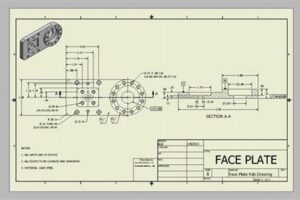
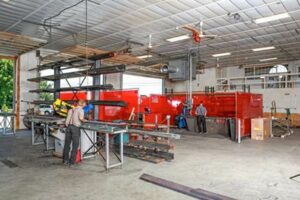
Seeking a partner for your intricate metalworking needs? Look no further than mechanical fabrication companiesthe masters of transforming raw materials into precision-engineered components.
Editor’s Note: Understanding the world of mechanical fabrication companies is crucial for businesses seeking high-quality metal fabrications. This guide delves into the intricacies of this industry, empowering readers to make informed decisions.
Through meticulous analysis and extensive research, we’ve compiled this comprehensive guide to help you navigate the landscape of mechanical fabrication companies. Our goal? To equip you with the knowledge and insights necessary to select the ideal partner for your project.
Key Differences:
| In-House Fabrication | Outsourced Fabrication | |
|---|---|---|
| Control | High | Limited |
| Flexibility | High | Moderate |
| Cost | Potentially higher | Potentially lower |
Transition to main article topics:
- Types of Mechanical Fabrication Companies
- Capabilities and Services Offered
- Factors to Consider When Choosing a Company
- Benefits of Working with a Mechanical Fabrication Company
- Tips for Ensuring a Successful Partnership
Mechanical Fabrication Companies
In the realm of metalworking, understanding the nuances of mechanical fabrication companies is paramount. These companies possess specialized expertise in transforming raw materials into intricate components, catering to a diverse range of industries. To fully grasp their significance, let’s explore twelve key aspects:
- Precision: Unwavering accuracy in crafting components.
- Efficiency: Optimized processes to minimize production time.
- Expertise: Skilled professionals with deep technical knowledge.
- Technology: Cutting-edge equipment for advanced fabrication techniques.
- Materials: Mastery in handling diverse metals and alloys.
- Quality: Uncompromising commitment to delivering flawless products.
- Customization: Tailoring solutions to meet specific customer requirements.
- Flexibility: Adapting to evolving project needs and timelines.
- Collaboration: Fostering partnerships with clients to ensure project success.
- Innovation: Embracing new technologies and methodologies.
- Safety: Prioritizing workplace safety and adhering to industry standards.
- Sustainability: Implementing environmentally conscious practices.
These aspects are interconnected, forming the backbone of successful mechanical fabrication companies. Precision, efficiency, and expertise are fundamental pillars, while technology and materials enable the creation of high-quality, customized products. Flexibility, collaboration, and innovation ensure seamless project execution, while safety and sustainability demonstrate a commitment to responsible operations. By understanding these key aspects, businesses can make informed decisions when partnering with mechanical fabrication companies, ensuring successful outcomes and lasting relationships.
Precision

In the realm of mechanical fabrication, precision is not merely a buzzword; it’s the lifeblood of exceptional craftsmanship. Mechanical fabrication companies that prioritize unwavering accuracy in crafting components set themselves apart as true masters of their craft.
Precision is crucial because it ensures that components meet exact specifications, tolerances, and performance requirements. Without it, even the most sophisticated designs can be rendered useless. It’s the foundation upon which the success of countless industries rests, from aerospace and automotive to medical and construction.
Achieving precision requires a combination of skilled professionals, advanced technology, and rigorous quality control processes. It begins with meticulous planning and design, where engineers carefully calculate dimensions, tolerances, and material properties. This is followed by the selection of appropriate fabrication techniques and equipment, operated by trained technicians who possess a deep understanding of metalworking processes.
Throughout the fabrication process, stringent quality checks are conducted to identify and rectify any deviations from specifications. This may involve the use of precision measuring tools, such as calipers, micrometers, and coordinate measuring machines (CMMs). By adhering to exacting standards, mechanical fabrication companies ensure that every component is crafted with the utmost accuracy, guaranteeing optimal performance and reliability in the final product.
The practical significance of precision in mechanical fabrication cannot be overstated. It directly impacts factors such as:
| Precision | Benefits | |
|---|---|---|
| Product quality | High | Enhanced performance, reliability, and durability |
| Assembly efficiency | High | Reduced assembly time and costs |
| Safety | High | Minimized risks associated with component failure |
| Customer satisfaction | High | Increased customer confidence and loyalty |
By partnering with mechanical fabrication companies that prioritize precision, businesses can gain a competitive edge through improved product quality, reduced costs, enhanced safety, and increased customer satisfaction. Ultimately, precision serves as the cornerstone of successful mechanical fabrication, enabling the creation of components that meet the exacting demands of modern industries.
Efficiency

In the fast-paced world of manufacturing, efficiency is not a mere buzzword; it’s a competitive necessity. Mechanical fabrication companies that prioritize optimized processes to minimize production time stand out as true masters of their craft.
Efficiency in mechanical fabrication encompasses a range of strategies and techniques aimed at reducing lead times, eliminating waste, and maximizing productivity. It begins with meticulous planning and scheduling, where production processes are carefully mapped out to identify potential bottlenecks and inefficiencies. This is followed by the implementation of lean manufacturing principles, such as just-in-time inventory management and continuous improvement (Kaizen).
Advanced technology plays a crucial role in enhancing efficiency. Mechanical fabrication companies that invest in cutting-edge equipment, such as automated welding machines, robotic assembly lines, and computer-aided design (CAD) software, can streamline processes, reduce manual labor, and improve overall productivity.
Skilled and experienced technicians are another key ingredient in the efficiency equation. Well-trained professionals can operate machinery efficiently, identify and resolve issues quickly, and maintain a consistent workflow. By empowering their workforce through training and upskilling, mechanical fabrication companies can unlock significant efficiency gains.
The practical significance of efficiency in mechanical fabrication cannot be overstated. It directly impacts factors such as:
| Efficiency | Benefits | |
|---|---|---|
| Production costs | Low | Reduced labor costs, material waste, and overhead expenses |
| Product availability | High | Faster delivery times and improved customer satisfaction |
| Competitive advantage | Strong | Ability to meet customer demands and outpace competitors |
| Sustainability | Positive | Reduced energy consumption and waste generation |
By partnering with mechanical fabrication companies that prioritize efficiency, businesses can gain a competitive edge through reduced costs, improved customer satisfaction, enhanced productivity, and increased sustainability. Ultimately, efficiency serves as a cornerstone of successful mechanical fabrication, enabling companies to meet the demands of modern manufacturing while driving innovation and growth.
Expertise

In the realm of mechanical fabrication, expertise is not merely a buzzword; it’s the lifeblood of exceptional craftsmanship. Mechanical fabrication companies that prioritize skilled professionals with deep technical knowledge set themselves apart as true masters of their craft.
Expertise encompasses a comprehensive understanding of metalworking processes, materials, and engineering principles. It’s not simply about possessing knowledge; it’s about applying that knowledge to solve complex fabrication challenges and deliver optimal results.
Skilled professionals in mechanical fabrication companies possess a deep understanding of:
- Material properties and behavior
- Fabrication techniques and their applications
- Welding, machining, and forming processes
- Quality control and inspection procedures
- Industry standards and best practices
This expertise enables them to make informed decisions throughout the fabrication process, ensuring that components meet exact specifications, tolerances, and performance requirements.
The practical significance of expertise in mechanical fabrication cannot be overstated. It directly impacts factors such as:
| Expertise | Benefits | |
|---|---|---|
| Product quality | High | Reduced defects, enhanced performance, and reliability |
| Production efficiency | High | Optimized processes, reduced lead times, and improved productivity |
| Customer satisfaction | High | Increased customer confidence and loyalty |
| Competitive advantage | Strong | Ability to handle complex projects and meet evolving industry demands |
By partnering with mechanical fabrication companies that prioritize expertise, businesses can gain a competitive edge through improved product quality, reduced costs, enhanced productivity, and increased customer satisfaction. Ultimately, expertise serves as a cornerstone of successful mechanical fabrication, enabling companies to meet the demands of modern manufacturing while driving innovation and growth.
Technology

In the realm of mechanical fabrication, technology serves as a transformative force, empowering companies to push the boundaries of innovation and precision. Mechanical fabrication companies that prioritize cutting-edge equipment for advanced fabrication techniques set themselves apart as true leaders in the industry.
- Precision and Accuracy: Advanced fabrication techniques, such as laser cutting, waterjet cutting, and CNC machining, enable mechanical fabrication companies to achieveprecision and accuracy in component manufacturing. This is particularly crucial for industries where tolerances are tight and dimensional stability is paramount, such as aerospace, medical, and automotive.
- Material Versatility: Cutting-edge equipment expands the range of materials that mechanical fabrication companies can work with. Advanced techniques, such as plasma cutting and electron beam welding, allow for the fabrication of exotic materials, including titanium, Inconel, and Hastelloy, which possess unique properties and are essential for specialized applications.
- Efficiency and Productivity: Automation and robotics play a significant role in modern mechanical fabrication companies, increasing efficiency and productivity. Automated welding systems, robotic assembly lines, and material handling equipment reduce manual labor, minimize lead times, and improve overall throughput.
- Innovation and Customization: Advanced fabrication techniques open up new possibilities for product innovation and customization. Mechanical fabrication companies can leverage these technologies to create complex geometries, intricate designs, and tailored solutions that meet the specific requirements of their customers.
By embracing cutting-edge technology, mechanical fabrication companies gain a competitive edge and unlock new opportunities for growth. They can meet the evolving demands of modern manufacturing, deliver superior quality products, and drive innovation across various industries.
Materials
In the realm of mechanical fabrication, the mastery of handling diverse metals and alloys is a cornerstone of excellence. Mechanical fabrication companies that possess expertise in working with a wide range of materials are highly sought after, as they can cater to the unique requirements of various industries.
The ability to handle diverse materials enables mechanical fabrication companies to meet the specific needs of their customers. For instance, in the aerospace industry, materials such as titanium and aluminum alloys are commonly used due to their high strength-to-weight ratio and resistance to corrosion. Mechanical fabrication companies with expertise in handling these materials can produce lightweight and durable components for aircraft and spacecraft.
Furthermore, the mastery of handling diverse materials allows mechanical fabrication companies to explore innovative design solutions. By understanding the properties and characteristics of different metals and alloys, they can create components with tailored properties, such as enhanced wear resistance, corrosion resistance, or high-temperature performance.
The practical significance of this understanding cannot be overstated. It directly impacts factors such as:
| Material Mastery | Benefits | |
|---|---|---|
| Product Quality | High | Components meet exact specifications and perform reliably in demanding applications |
| Design Flexibility | High | Enables innovative design solutions and customization to meet specific customer requirements |
| Industry Versatility | High | Ability to serve a wide range of industries with diverse material needs |
| Competitive Advantage | Strong | Differentiation from competitors and ability to handle complex projects involving multiple materials |
By partnering with mechanical fabrication companies that demonstrate mastery in handling diverse metals and alloys, businesses can gain a competitive edge through improved product quality, enhanced design flexibility, increased industry versatility, and a stronger competitive position.
Quality
In the realm of mechanical fabrication, quality is not merely a buzzword; it’s the lifeblood of. Mechanical fabrication companies that prioritize an uncompromising commitment to delivering flawless products set themselves apart as true masters of their craft.
This unwavering commitment to quality encompasses every aspect of the fabrication process, from material selection and design to manufacturing and inspection. It begins with a deep understanding of customer requirements and industry standards. Mechanical fabrication companies that prioritize quality meticulously evaluate customer specifications, ensuring that every component meets or exceeds expectations.
Skilled professionals play a crucial role in maintaining the highest standards of quality. These experts possess in-depth knowledge of materials, fabrication techniques, and quality control procedures. They carefully monitor each step of the fabrication process, conducting rigorous inspections and tests to identify and rectify any potential defects.
Cutting-edge technology also contributes to the delivery of flawless products. Mechanical fabrication companies that invest in advanced equipment, such as precision measuring tools and automated inspection systems, can ensure the accuracy and consistency of their products.
The practical significance of quality in mechanical fabrication cannot be overstated. It directly impacts factors such as:
| Quality | Benefits | |
|---|---|---|
| Customer Satisfaction | High | Increased customer confidence and loyalty |
| Product Reliability | High | Reduced downtime and maintenance costs |
| Brand Reputation | Strong | Enhanced reputation for delivering high-quality products |
| Competitive Advantage | Strong | Differentiation from competitors and ability to command premium pricing |
By partnering with mechanical fabrication companies that prioritize quality, businesses can gain a competitive edge through improved customer satisfaction, enhanced product reliability, a stronger brand reputation, and a more advantageous competitive position.
Customization
In the realm of mechanical fabrication, customization is not merely a buzzword; it’s the lifeblood of innovation. Mechanical fabrication companies that prioritize tailoring solutions to meet specific customer requirements set themselves apart as true partners in progress.
Customization enables mechanical fabrication companies to address the unique challenges and requirements of their customers. Whether it’s creating a one-of-a-kind prototype or producing high-volume components with precise specifications, these companies have the expertise and flexibility to deliver tailored solutions.
The practical significance of customization in mechanical fabrication cannot be overstated. It directly impacts factors such as:
| Customization | Benefits | |
|---|---|---|
| Customer Satisfaction | High | Increased customer satisfaction and loyalty |
| Product Innovation | High | Ability to develop innovative and cutting-edge solutions |
| Competitive Advantage | Strong | Differentiation from competitors and ability to meet unique customer needs |
| Market Expansion | High | Access to new markets and opportunities by offering customized solutions |
By partnering with mechanical fabrication companies that prioritize customization, businesses can gain a competitive edge through improved customer satisfaction, enhanced product innovation, a stronger competitive position, and expanded market opportunities.
Flexibility

In the dynamic world of manufacturing, flexibility is not a luxury; it’s a necessity. Mechanical fabrication companies that prioritize adapting to evolving project needs and timelines stand out as true partners in progress.
Flexibility in mechanical fabrication encompasses the ability to adjust production schedules, accommodate design changes, and respond to unforeseen circumstances. This agility is crucial for meeting the ever-changing demands of modern industries, where time-to-market and customer satisfaction are paramount.
Factors contributing to the importance of flexibility in mechanical fabrication include:
- Changing customer requirements: Customer needs and specifications can evolve throughout the project lifecycle. Flexible fabrication companies can adapt quickly to these changes, ensuring that the final product meets or exceeds expectations.
- Supply chain disruptions: Unforeseen events, such as material shortages or transportation delays, can disrupt the fabrication process. Flexible companies can explore alternative suppliers or adjust production schedules to minimize the impact on project timelines.
- Design iterations: Engineering design is an iterative process, and changes are often necessary to optimize performance or address technical challenges. Flexible fabrication companies can accommodate these design iterations without significant delays.
The practical significance of flexibility in mechanical fabrication cannot be overstated. It directly impacts factors such as:
| Flexibility | Benefits | |
|---|---|---|
| Customer satisfaction | High | Increased customer satisfaction and loyalty |
| Time-to-market | Reduced | Faster delivery of products to customers |
| Competitive advantage | Strong | Ability to respond to changing market demands and outpace competitors |
| Operational efficiency | Improved | Reduced downtime and increased productivity |
By partnering with mechanical fabrication companies that prioritize flexibility, businesses can gain a competitive edge through improved customer satisfaction, reduced time-to-market, a stronger competitive position, and enhanced operational efficiency.
Collaboration
In the realm of mechanical fabrication, collaboration is not merely a buzzword; it’s the lifeblood of exceptional outcomes. Mechanical fabrication companies that prioritize fostering partnerships with clients set themselves apart as true masters of their craft.
- Open communication: Effective communication is the cornerstone of successful collaboration. Mechanical fabrication companies that prioritize open and transparent communication with their clients ensure that all project requirements, expectations, and potential challenges are clearly understood and addressed.
- Regular check-ins: Regular check-ins throughout the project lifecycle help keep all stakeholders informed of progress, identify potential roadblocks, and proactively address any changes or adjustments.
- Shared knowledge and expertise: Collaboration fosters a shared pool of knowledge and expertise, where clients can benefit from the technical insights of the fabrication company, and the fabrication company can gain valuable feedback from the client’s industry-specific knowledge.
- Flexibility and adaptability: Collaborative partnerships allow for greater flexibility and adaptability in the face of unforeseen challenges or changes in project scope. By working closely with clients, mechanical fabrication companies can quickly adjust plans and timelines to ensure project success.
By embracing collaboration and fostering strong partnerships with their clients, mechanical fabrication companies can deliver exceptional results that meet or exceed expectations. This collaborative approach leads to enhanced customer satisfaction, reduced project risks, and the creation of innovative and high-quality products.
Innovation
In the ever-evolving landscape of manufacturing, innovation serves as a driving force that propels businesses forward. For mechanical fabrication companies, embracing new technologies and methodologies is not merely a buzzword; it’s a strategic imperative.
- Digital Transformation: The integration of digital tools, such as computer-aided design (CAD) software and additive manufacturing, has revolutionized the mechanical fabrication industry. Digital technologies enable faster design iterations, reduced production lead times, and increased precision in component manufacturing.
- Advanced Materials: Innovation in material science has led to the development of new and improved materials, such as high-strength alloys and lightweight composites. These advanced materials allow mechanical fabrication companies to create components with enhanced properties, such as increased durability, corrosion resistance, and thermal conductivity.
- Automation and Robotics: The adoption of automation and robotic systems has significantly increased productivity and efficiency in mechanical fabrication. Automated welding machines, CNC cutting systems, and robotic assembly lines minimize manual labor, reduce production costs, and improve product quality.
- Lean Manufacturing: Lean manufacturing principles focus on eliminating waste and optimizing processes throughout the fabrication process. By implementing lean techniques, mechanical fabrication companies can reduce lead times, improve inventory management, and enhance overall operational efficiency.
By embracing innovation and adopting new technologies and methodologies, mechanical fabrication companies gain a competitive edge. They can deliver higher quality products, reduce production costs, and meet the evolving demands of their customers. Innovation serves as a catalyst for growth, enabling mechanical fabrication companies to remain at the forefront of the industry and drive advancements in manufacturing.
Safety

In the realm of mechanical fabrication, safety is not merely a buzzword; it is a fundamental pillar upon which successful operations are built. Mechanical fabrication companies that prioritize workplace safety and adhere to industry standards set themselves apart as true leaders in the industry.
The connection between safety and mechanical fabrication is inextricably linked. The fabrication process involves the use of heavy machinery, sharp tools, and hazardous materials, posing potential risks to workers. By prioritizing safety, mechanical fabrication companies create a work environment that protects the well-being of their employees, fosters a culture of responsibility, and ensures compliance with regulatory requirements.
The practical significance of safety in mechanical fabrication cannot be overstated. It directly impacts factors such as:
| Safety | Benefits | |
|---|---|---|
| Worker well-being | High | Reduced accidents, injuries, and illnesses |
| Productivity | High | Minimized downtime and increased efficiency |
| Company reputation | Strong | Enhanced reputation for prioritizing worker safety |
| Legal compliance | High | Adherence to industry regulations and standards |
Mechanical fabrication companies that prioritize safety implement comprehensive safety programs that encompass:
- Regular safety training and education for employees
- Rigorous risk assessments and hazard identification
- Proper use and maintenance of safety equipment
- Emergency response plans and procedures
- Continuous monitoring and improvement of safety practices
By embracing safety as a core value, mechanical fabrication companies demonstrate their commitment to creating a positive and healthy work environment for their employees. This commitment extends beyond legal compliance, fostering a culture where safety is ingrained in every aspect of the fabrication process.
Sustainability

In the realm of mechanical fabrication, sustainability is not merely a buzzword; it is a strategic imperative that drives innovation and responsible manufacturing practices. Mechanical fabrication companies that prioritize implementing environmentally conscious practices stand out as true leaders in their industry.
The connection between sustainability and mechanical fabrication is multifaceted. The fabrication process can have a significant environmental impact, from the extraction of raw materials to the disposal of waste. By adopting sustainable practices, mechanical fabrication companies can minimize their environmental footprint, reduce their operating costs, and enhance their reputation as responsible corporate citizens.
One of the most important aspects of sustainability in mechanical fabrication is the efficient use of resources. This includes reducing energy consumption, conserving water, and minimizing waste. Mechanical fabrication companies can implement a variety of strategies to achieve these goals, such as:
- Investing in energy-efficient equipment and processes
- Recycling and reusing materials whenever possible
- Reducing the use of hazardous chemicals
- Implementing waste reduction programs
In addition to reducing their environmental impact, sustainable practices can also improve the efficiency and profitability of mechanical fabrication companies. By reducing waste and using resources more efficiently, companies can save money on operating costs. They can also attract customers who are increasingly demanding products that are made in an environmentally responsible manner.
The practical significance of sustainability in mechanical fabrication cannot be overstated. It directly impacts factors such as:
| Sustainability | Benefits | |
|---|---|---|
| Environmental impact | Reduced | Minimized carbon footprint, conserved resources, and reduced waste |
| Operating costs | Lowered | Reduced energy consumption, water usage, and waste disposal expenses |
| Reputation | Enhanced | Positive perception as a responsible corporate citizen |
| Customer demand | Increased | Growing preference for products made with sustainable practices |
By embracing sustainability as a core value, mechanical fabrication companies can create a positive impact on the environment, improve their bottom line, and meet the evolving demands of their customers. Sustainability is not just a buzzword; it is a business imperative for the future of mechanical fabrication.
Frequently Asked Questions about Mechanical Fabrication Companies
This section addresses common questions and concerns regarding mechanical fabrication companies, providing clear and informative answers to enhance understanding and decision-making.
Question 1: What services do mechanical fabrication companies offer?
Mechanical fabrication companies offer a wide range of services, including custom metal fabrication, precision machining, welding, assembly, and finishing. They work with various metals, including steel, aluminum, stainless steel, and more, to create components and products for diverse industries.
Question 2: How do I choose the right mechanical fabrication company for my project?
When selecting a mechanical fabrication company, consider factors such as their experience, capabilities, quality standards, lead times, and customer service. Look for companies with a proven track record of success in your industry and a commitment to delivering high-quality products on time.
Question 3: What are the benefits of working with a mechanical fabrication company?
Partnering with a mechanical fabrication company offers several benefits, including access to specialized expertise, cost savings through efficient production processes, faster time-to-market, and reduced risk associated with in-house fabrication.
Question 4: How can I ensure the quality of the products I receive from a mechanical fabrication company?
To ensure quality, establish clear specifications, conduct thorough inspections, and consider certifications such as ISO 9001. Maintain open communication with the fabrication company, fostering a collaborative approach to quality control.
Question 5: What are the latest trends in mechanical fabrication?
The mechanical fabrication industry is constantly evolving. Some of the latest trends include the adoption of automation and robotics, the use of advanced materials, and the integration of digital technologies. These trends are driven by the need for increased efficiency, precision, and customization.
Question 6: How can I stay up-to-date on the latest developments in mechanical fabrication?
To stay informed about the latest advancements in mechanical fabrication, attend industry events, read trade publications, and follow reputable sources online. Consider subscribing to newsletters or blogs from leading mechanical fabrication companies to receive regular updates.
Understanding the answers to these frequently asked questions can help businesses make informed decisions when selecting and working with mechanical fabrication companies. By leveraging the expertise and capabilities of these companies, businesses can optimize their product development and manufacturing processes, ultimately achieving their desired outcomes.
Transition to the next article section: Understanding the Role of Mechanical Fabrication in Modern Manufacturing
Mechanical Fabrication Tips for Enhanced Manufacturing
Partnering with mechanical fabrication companies can streamline your manufacturing processes and elevate the quality of your products. Here are 7 insightful tips to help you optimize your collaboration and achieve exceptional results:
Tip 1: Define Clear Specifications and Expectations
Establishing precise specifications and expectations from the outset is crucial. Communicate your design intent, tolerance requirements, and performance criteria clearly to ensure the fabrication company fully understands your objectives.
Tip 2: Leverage the Company’s Expertise
Mechanical fabrication companies possess specialized knowledge and experience. Engage with their engineers to explore innovative design solutions, optimize material selection, and identify cost-effective manufacturing techniques.
Tip 3: Establish a Collaborative Partnership
Foster open communication and regular progress updates throughout the project. By working collaboratively, you can proactively address any challenges, ensure timely delivery, and maintain a high level of quality.
Tip 4: Conduct Thorough Inspections and Testing
Implement rigorous inspection and testing procedures to verify the quality and performance of the fabricated components. This proactive approach minimizes the risk of defects and ensures that your products meet the desired standards.
Tip 5: Optimize Communication and Documentation
Maintain clear and concise communication channels. Document all project details, including design specifications, material certifications, and inspection reports. This structured approach facilitates smooth information flow and reduces the risk of errors.
Tip 6: Seek Certifications and Accreditations
Consider working with mechanical fabrication companies that have obtained industry certifications, such as ISO 9001. These certifications demonstrate their commitment to quality management and adherence to industry best practices.
Tip 7: Continuous Improvement and Innovation
Embrace a mindset of continuous improvement and innovation. Collaborate with the fabrication company to explore new technologies, materials, and processes that can enhance product quality, reduce costs, and optimize manufacturing efficiency.
By implementing these tips, you can establish a strong and productive partnership with mechanical fabrication companies, unlocking the full potential of your manufacturing operations and delivering exceptional products to your customers.
Conclusion: Harnessing the expertise and capabilities of mechanical fabrication companies is essential for modern manufacturing. By embracing these tips, businesses can optimize their collaboration, enhance product quality, reduce costs, and drive innovation, ultimately achieving greater success in their respective industries.
Conclusion
The exploration of mechanical fabrication companies throughout this article unveils their pivotal role in modern manufacturing. These companies possess the expertise, capabilities, and technological advancements to transform raw materials into intricate components and high-quality products.
As businesses navigate the ever-evolving manufacturing landscape, partnering with reputable mechanical fabrication companies is not merely an option but a strategic imperative. By leveraging their specialized knowledge, businesses can optimize their production processes, reduce costs, enhance product quality, and accelerate innovation.
The future of manufacturing lies in embracing the latest technologies, materials, and processes. By fostering strong partnerships with mechanical fabrication companies that prioritize continuous improvement and innovation, businesses can stay at the forefront of industry advancements and deliver exceptional products that meet the demands of tomorrow’s markets.