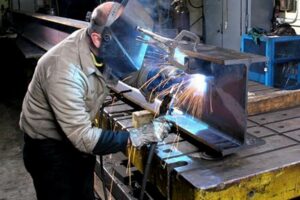
What is the significance of steel fabrication drawings in the construction industry? As a crucial component of the construction process, steel fabrication drawings provide detailed instructions for the fabrication and assembly of steel structures.
Editor’s Note: Steel fabrication drawings are essential for ensuring the accuracy, safety, and efficiency of steel construction projects.
Through extensive research and analysis, we have compiled this comprehensive guide to steel fabrication drawings to empower our readers with the knowledge they need to make informed decisions.
Key Differences:
| Characteristic | Description |
|---|---|
| Purpose | Provide detailed instructions for steel fabrication and assembly |
| Content | Includes dimensions, specifications, and assembly details |
| Importance | Ensures accuracy, safety, and efficiency in steel construction |
Main Article Topics:
- The Benefits of Using Steel Fabrication Drawings
- How to Create Steel Fabrication Drawings
- The Different Types of Steel Fabrication Drawings
- The Future of Steel Fabrication Drawings
Steel Fabrication Drawings
Steel fabrication drawings play a critical role in the construction industry, providing detailed instructions for the fabrication and assembly of steel structures. These drawings are essential for ensuring the accuracy, safety, and efficiency of steel construction projects.
- Accuracy: Steel fabrication drawings ensure that steel structures are fabricated and assembled to precise specifications, ensuring structural integrity and safety.
- Efficiency: By providing clear instructions, steel fabrication drawings streamline the fabrication and assembly process, reducing errors and saving time.
- Safety: Accurate steel fabrication drawings help to prevent accidents and injuries by ensuring that steel structures are properly designed and assembled.
- Communication: Steel fabrication drawings serve as a common language between engineers, architects, fabricators, and erectors, facilitating effective communication and collaboration.
- Documentation: Steel fabrication drawings provide a permanent record of the design and construction of steel structures, which can be valuable for future reference and maintenance.
- Quality Control: Steel fabrication drawings enable quality control inspectors to verify that steel structures are fabricated and assembled according to specifications.
- Cost Control: By reducing errors and inefficiencies, steel fabrication drawings help to control project costs.
- Sustainability: Steel fabrication drawings can contribute to sustainability by optimizing material usage and minimizing waste.
In conclusion, steel fabrication drawings are essential for the successful execution of steel construction projects. They ensure accuracy, efficiency, safety, communication, documentation, quality control, cost control, and sustainability. By providing detailed instructions for the fabrication and assembly of steel structures, steel fabrication drawings play a vital role in the construction industry.
Accuracy

The accuracy of steel fabrication drawings is paramount in ensuring the structural integrity and safety of steel structures. Precise specifications and dimensions are crucial for the proper fabrication and assembly of steel components, preventing errors and ensuring the stability of the final structure. Without accurate drawings, even minor deviations can compromise the load-bearing capacity and overall performance of the structure, potentially leading to catastrophic failures.
- Dimensional Accuracy: Steel fabrication drawings specify the exact dimensions of each steel component, including its length, width, thickness, and any angles or curves. Accurate dimensions are essential for ensuring that components fit together properly and that the overall structure meets design requirements. For example, in a steel bridge, precise dimensions ensure that the bridge deck aligns correctly with the piers and abutments, preventing uneven load distribution and potential collapse.
- Tolerance Control: Steel fabrication drawings also define acceptable tolerances for variations in dimensions. Tolerances allow for minor deviations from specified dimensions while ensuring that components can still be assembled and function properly. For example, in the construction of a steel building frame, tolerances account for slight variations in the size of steel beams and columns, allowing them to be joined together without compromising the overall structural integrity.
- Material Specifications: Steel fabrication drawings specify the grade and type of steel to be used in the fabrication of each component. Different grades of steel have varying strengths and properties, and using the correct material is essential for ensuring the structural integrity of the final product. For example, in the construction of a high-rise building, high-strength steel is used in the core columns to withstand the immense weight of the upper floors.
- Welding and Assembly Instructions: Steel fabrication drawings provide detailed instructions for welding and assembling steel components. These instructions specify the type of welding process to be used, the welding parameters, and the sequence of assembly. Proper welding and assembly are crucial for ensuring the strength and durability of steel structures. For example, in the construction of a steel ship, precise welding techniques are used to create watertight compartments and ensure the structural integrity of the hull.
In conclusion, the accuracy of steel fabrication drawings is essential for the safety and integrity of steel structures. Precise specifications, dimensional accuracy, tolerance control, material specifications, and welding and assembly instructions all contribute to the successful fabrication and assembly of steel structures that meet design requirements and perform as intended.
Efficiency
The efficiency of steel fabrication drawings stems from their ability to provide clear and precise instructions for the fabrication and assembly of steel structures. These drawings serve as a roadmap for fabricators and erectors, guiding them through every step of the process, from material selection to final assembly. By eliminating ambiguities and uncertainties, steel fabrication drawings streamline the workflow, minimize errors, and save valuable time.
For instance, in the construction of a steel bridge, detailed fabrication drawings specify the exact dimensions and tolerances for each steel component, along with specific welding and assembly instructions. This level of detail ensures that fabricators can produce components that fit together seamlessly, reducing the need for rework and costly delays during assembly.
Moreover, steel fabrication drawings facilitate efficient communication between engineers, fabricators, and erectors. By providing a shared visual representation of the intended structure, these drawings eliminate misunderstandings and ensure that everyone involved is working from the same set of specifications. This streamlined communication reduces the risk of errors and delays caused by misinterpretation or miscommunication.
In summary, the efficiency of steel fabrication drawings lies in their ability to provide clear instructions, streamline the fabrication and assembly process, and facilitate effective communication. These drawings are essential for ensuring that steel structures are fabricated and assembled accurately and efficiently, saving time and resources.
Key Insights:
| Characteristic | Benefits |
|---|---|
| Clear Instructions | Reduce errors and rework |
| Streamlined Workflow | Save time and resources |
| Effective Communication | Eliminate misunderstandings and delays |
Safety
Steel fabrication drawings play a crucial role in ensuring the safety of steel structures. By providing precise instructions for the fabrication and assembly of steel components, these drawings help to prevent accidents and injuries that could occur due to structural failure or improper assembly.
- Structural Integrity: Accurate steel fabrication drawings ensure that steel structures are designed and assembled to withstand the intended loads and forces. By specifying the correct material grades, dimensions, and connections, these drawings help to prevent structural failures that could lead to catastrophic accidents.
- Stability and Balance: Steel fabrication drawings ensure that steel structures are stable and balanced, preventing collapse or overturning. By carefully calculating the distribution of weight and forces, these drawings help to ensure that structures can withstand wind loads, seismic forces, and other environmental factors.
- Proper Assembly: Steel fabrication drawings provide detailed instructions for the assembly of steel structures, including the sequence of operations, the use of proper tools and equipment, and the application of specific safety measures. By following these instructions, workers can avoid accidents caused by improper handling, incorrect assembly, or the use of unsafe techniques.
- Worker Safety: Steel fabrication drawings contribute to worker safety by providing clear instructions that help to prevent accidents during the fabrication and assembly process. By specifying the use of proper personal protective equipment (PPE), safe work practices, and hazard controls, these drawings help to create a safer work environment.
In conclusion, accurate steel fabrication drawings are essential for ensuring the safety of steel structures and the workers involved in their fabrication and assembly. By providing precise instructions and eliminating ambiguities, these drawings help to prevent accidents, injuries, and structural failures, contributing to a safer and more efficient construction process.
Communication

Steel fabrication drawings play a vital role in communication and collaboration among the various stakeholders involved in steel construction projects. These drawings serve as a common language that enables engineers, architects, fabricators, and erectors to share and understand design intent, technical specifications, and construction details.
- Design Intent: Steel fabrication drawings clearly communicate the design intent of engineers and architects. They convey the overall concept, structural requirements, and aesthetic considerations of the steel structure. By providing a visual representation of the intended structure, these drawings facilitate a shared understanding among all parties involved.
- Technical Specifications: Steel fabrication drawings provide detailed technical specifications for the fabrication of steel components. They specify the dimensions, tolerances, material grades, and welding procedures to be followed. This level of detail ensures that fabricators have a clear understanding of the requirements and can produce components that meet the design specifications.
- Construction Details: Steel fabrication drawings include detailed instructions for the assembly and erection of steel structures. They specify the sequence of operations, the use of specific tools and equipment, and the application of proper safety measures. By providing clear instructions, these drawings enable erectors to assemble the structure efficiently and safely.
- Collaboration and Coordination: Steel fabrication drawings facilitate collaboration and coordination among engineers, architects, fabricators, and erectors. By providing a common reference point, these drawings enable stakeholders to discuss design changes, resolve technical issues, and coordinate their activities. This collaboration helps to ensure that the steel structure is fabricated and erected according to the design intent and meets the project requirements.
In conclusion, steel fabrication drawings serve as a critical communication tool in steel construction projects. They provide a common language that enables engineers, architects, fabricators, and erectors to share design intent, technical specifications, and construction details. This facilitates effective communication, collaboration, and coordination, ultimately contributing to the successful delivery of high-quality steel structures.
Documentation

Steel fabrication drawings serve as a comprehensive and enduring record of the design and construction of steel structures. This documentation plays a critical role in various aspects of future reference and maintenance, ensuring the longevity, safety, and integrity of these structures.
One of the primary benefits of steel fabrication drawings as documentation is their ability to provide a detailed and accurate account of the design intent. These drawings capture the structural calculations, material specifications, and assembly procedures that were used in the creation of the steel structure. This information is invaluable for future reference, as it allows engineers and architects to understand the original design rationale and make informed decisions regarding modifications or repairs.
Furthermore, steel fabrication drawings serve as a valuable tool for maintenance purposes. They provide clear instructions on how to maintain and inspect the steel structure, ensuring its ongoing safety and performance. By referring to these drawings, maintenance personnel can identify potential issues early on and take appropriate measures to address them, preventing costly repairs or failures down the road.
In the event of unforeseen circumstances, such as natural disasters or accidents, steel fabrication drawings become even more critical. They provide essential information for assessing the extent of damage and developing repair strategies. By having access to accurate and up-to-date drawings, engineers can quickly determine the structural integrity of the damaged structure and plan for its safe repair or reconstruction.
In conclusion, steel fabrication drawings play a crucial role as documentation for the design and construction of steel structures. They provide a permanent record of the design intent, facilitate ongoing maintenance, and assist in the assessment and repair of damaged structures. By serving as a valuable reference tool, steel fabrication drawings contribute to the longevity, safety, and integrity of steel structures throughout their lifespan.
Key Insights:
| Characteristic | Benefits |
|---|---|
| Design Intent Documentation | Provides a record of structural calculations and assembly procedures |
| Maintenance Guide | Offers instructions for ongoing maintenance and inspection |
| Repair and Reconstruction Aid | Assists in assessing damage and developing repair strategies |
Quality Control

Within the context of steel fabrication, quality control is essential to ensure that steel structures meet the required standards of safety, durability, and performance. Steel fabrication drawings play a crucial role in this process by providing detailed specifications and instructions that guide the fabrication and assembly of these structures.
- Dimensional Accuracy: Steel fabrication drawings specify the precise dimensions of each steel component, ensuring that they fit together correctly during assembly. This accuracy is vital for maintaining structural integrity and preventing failures.
- Material Verification: The drawings clearly indicate the grade and type of steel to be used in the fabrication process. Quality control inspectors can use this information to verify that the correct materials are being used, ensuring the structural integrity and performance of the final product.
- Welding Inspection: Steel fabrication drawings provide detailed instructions for welding procedures, including the type of welds, welding parameters, and sequencing. Quality control inspectors use this information to assess the quality of welds, ensuring that they meet the required standards and contribute to the overall structural integrity.
- Assembly Verification: The drawings outline the proper assembly sequence and techniques for steel structures. Quality control inspectors can use this information to verify that the structure is assembled correctly, ensuring stability, load-bearing capacity, and overall safety.
In summary, steel fabrication drawings are indispensable tools for quality control inspectors, enabling them to thoroughly verify that steel structures are fabricated and assembled according to specifications. This verification process helps ensure the structural integrity, safety, and performance of these structures, contributing to their longevity and reliability.
Cost Control
Within the context of steel fabrication, cost control is essential to ensure that projects are completed within budget and without compromising quality. Steel fabrication drawings play a vital role in this process by reducing errors and inefficiencies, leading to significant cost savings.
- Error Reduction: Steel fabrication drawings provide clear and precise instructions for the fabrication and assembly of steel structures. This reduces the likelihood of errors during the construction process, eliminating costly rework and delays. For example, in the construction of a steel bridge, accurate drawings ensure that the bridge components are manufactured to the correct dimensions and tolerances, preventing costly errors during assembly.
- Elimination of Waste: Steel fabrication drawings optimize material usage by providing detailed cutting lists and assembly instructions. This reduces material waste and associated costs. For instance, in the fabrication of steel beams, precise drawings ensure that the beams are cut to the exact required lengths, minimizing material wastage.
- Improved Efficiency: Steel fabrication drawings streamline the fabrication and assembly process by providing clear instructions and sequencing. This improves efficiency and reduces labor costs. For example, in the construction of a steel building frame, detailed drawings enable fabricators to pre-assemble components in the workshop, reducing on-site assembly time and labor costs.
- Enhanced Communication: Steel fabrication drawings serve as a common language between engineers, fabricators, and erectors, facilitating effective communication and coordination. This reduces misunderstandings and disputes, minimizing costly delays and change orders. For instance, in the construction of a steel stadium, clear drawings ensure that all stakeholders have a shared understanding of the design intent, reducing the risk of costly miscommunications.
In conclusion, steel fabrication drawings contribute to cost control in steel construction projects by reducing errors, eliminating waste, improving efficiency, and enhancing communication. By providing clear and precise instructions, these drawings minimize costly errors and delays, optimize material usage, streamline the construction process, and facilitate effective collaboration, ultimately leading to significant cost savings.
Sustainability
Steel fabrication drawings play a crucial role in promoting sustainability in the construction industry. By providing detailed instructions for the fabrication and assembly of steel structures, these drawings help to optimize material usage and minimize waste, contributing to a more sustainable built environment.
One of the key ways in which steel fabrication drawings contribute to sustainability is by reducing material waste. Accurate and detailed drawings enable fabricators to precisely cut and shape steel components, minimizing the amount of scrap material generated during the fabrication process. For example, in the construction of a steel building frame, precise drawings ensure that beams and columns are cut to the exact required lengths, reducing material waste and associated environmental impacts.
Furthermore, steel fabrication drawings promote the efficient use of materials by optimizing the design of steel structures. Engineers can use these drawings to explore different design options and select the most efficient structural solutions, minimizing the amount of material required while maintaining structural integrity. For instance, in the design of a steel bridge, engineers can use fabrication drawings to optimize the shape and dimensions of bridge components, reducing the overall weight of the structure and conserving resources.
In conclusion, steel fabrication drawings are essential tools for promoting sustainability in steel construction. By optimizing material usage and minimizing waste, these drawings contribute to a more sustainable built environment and reduce the environmental impact of steel structures.
Key Insights:
| Characteristic | Benefits |
|---|---|
| Reduced Material Waste | Precise cutting and shaping of steel components minimizes scrap |
| Optimized Structural Design | Engineers can explore efficient design options, reducing material requirements |
FAQs on Steel Fabrication Drawings
Steel fabrication drawings play a critical role in the construction industry, providing detailed instructions for the fabrication and assembly of steel structures. These drawings are essential for ensuring the accuracy, safety, efficiency, and sustainability of steel construction projects. Here are some frequently asked questions (FAQs) about steel fabrication drawings:
Question 1: What is the purpose of steel fabrication drawings?
Steel fabrication drawings provide detailed instructions for the fabrication and assembly of steel structures, ensuring that they meet the design requirements and perform as intended. These drawings include specifications for materials, dimensions, tolerances, welding procedures, and assembly sequences.
Question 2: What are the benefits of using steel fabrication drawings?
Steel fabrication drawings offer numerous benefits, including improved accuracy, efficiency, safety, communication, documentation, quality control, cost control, and sustainability. By providing clear instructions, these drawings reduce errors, streamline the fabrication and assembly process, and ensure the structural integrity of steel structures.
Question 3: What information do steel fabrication drawings typically include?
Steel fabrication drawings typically include the following information: overall dimensions and tolerances, material specifications, welding details, assembly instructions, and quality control requirements. These drawings are often accompanied by supporting documents such as material certifications and welding procedure specifications.
Question 4: Who uses steel fabrication drawings?
Steel fabrication drawings are used by various professionals involved in steel construction projects, including engineers, architects, fabricators, erectors, and quality control inspectors. These drawings serve as a common language, facilitating communication and collaboration among the project stakeholders.
Question 5: What is the importance of accuracy in steel fabrication drawings?
Accuracy is paramount in steel fabrication drawings as it directly impacts the structural integrity and safety of the final product. Precise dimensions, tolerances, and welding specifications ensure that steel components fit together properly and perform as intended under the intended loads and environmental conditions.
Question 6: How can steel fabrication drawings contribute to sustainability?
Steel fabrication drawings can contribute to sustainability by optimizing material usage and minimizing waste. By providing detailed cutting lists and assembly instructions, these drawings help fabricators minimize scrap and use materials efficiently. Additionally, engineers can use fabrication drawings to explore design options that reduce the overall weight and material requirements of steel structures.
Summary: Steel fabrication drawings are essential for the successful execution of steel construction projects. They provide detailed instructions for the fabrication and assembly of steel structures, ensuring accuracy, safety, efficiency, and sustainability. By addressing common questions and misconceptions, these FAQs aim to enhance the understanding and appreciation of steel fabrication drawings in the construction industry.
Transition to the next article section: Understanding the importance and benefits of steel fabrication drawings is crucial for professionals involved in steel construction projects. In the following section, we will delve deeper into the practical applications of steel fabrication drawings, exploring how they are used in various stages of a steel construction project.
Tips for Effective Use of Steel Fabrication Drawings
Steel fabrication drawings are essential tools for ensuring the accuracy, safety, and efficiency of steel construction projects. By following these tips, engineers, fabricators, and erectors can optimize the use of steel fabrication drawings and achieve successful project outcomes:
Tip 1: Verify the Accuracy of Drawings
Before fabrication or assembly begins, thoroughly review steel fabrication drawings to identify any errors or inconsistencies. Compare the drawings to the design specifications and ensure that all dimensions, tolerances, and material specifications are correct. Verifying accuracy upfront can prevent costly mistakes and rework during construction.
Tip 2: Communicate Effectively
Steel fabrication drawings serve as a common language among engineers, fabricators, and erectors. Use clear and concise language in the drawings and accompanying documents to avoid misunderstandings or misinterpretations. Open communication and regular coordination among stakeholders help ensure that everyone is working from the same set of information.
Tip 3: Optimize Material Usage
Steel fabrication drawings can help optimize material usage by providing detailed cutting lists and assembly instructions. By carefully planning the cutting process and minimizing scrap, fabricators can reduce material waste and associated costs. Additionally, using nesting software can further optimize material utilization and reduce material costs.
Tip 4: Ensure Quality Control
Steel fabrication drawings provide quality control inspectors with the necessary information to verify that steel structures are fabricated and assembled according to specifications. Inspectors should use the drawings to check dimensions, material properties, welding procedures, and assembly sequences. Rigorous quality control ensures the structural integrity and safety of the final product.
Tip 5: Facilitate Efficient Assembly
Clear and detailed steel fabrication drawings enable efficient assembly of steel structures on-site. Provide precise instructions for the sequencing of assembly operations, including the use of appropriate tools and equipment. Proper planning and coordination during assembly can minimize delays and ensure the timely completion of the project.
Summary: By following these tips, professionals involved in steel construction projects can effectively utilize steel fabrication drawings to enhance accuracy, optimize material usage, ensure quality control, facilitate efficient assembly, and achieve successful project outcomes. Steel fabrication drawings are essential tools that contribute to the safety, efficiency, and sustainability of steel structures.
Transition to the article’s conclusion: Steel fabrication drawings play a crucial role in the construction industry, providing a roadmap for the fabrication and assembly of steel structures. By understanding the importance of these drawings and implementing these tips, engineers, fabricators, and erectors can harness their full potential and deliver high-quality steel structures.
Conclusion
Steel fabrication drawings are indispensable tools in the steel construction industry, providing a detailed roadmap for the fabrication and assembly of steel structures. Throughout this article, we have explored the multifaceted importance of these drawings, highlighting their role in ensuring accuracy, safety, efficiency, communication, documentation, quality control, cost control, and sustainability.
By understanding the significance of steel fabrication drawings and implementing best practices, engineers, fabricators, and erectors can harness their full potential to deliver high-quality steel structures. These drawings serve as a common language, facilitating collaboration and ensuring that everyone involved is working from the same set of information. As the construction industry continues to evolve, steel fabrication drawings will remain essential for the design and construction of safe, sustainable, and resilient steel structures.